Category Archives: Articles

The Magic of Clowns: Bringing Laughter to the Big Top

Under the colorful lights of the big top, no one spreads more joy and mischief than the clowns, those painted-smile wonders who turn every frown upside down with a honk of a horn or a splash of a water bucket.

In the exciting tales of Three-Ring Rascals, clowns are the stars of silliness, tumbling out of tiny cars, juggling everything from pies to flaming pins, and always ready with a goofy trick to make the audience roar with laughter.

These floppy-shoed friends show kids that it’s okay to be a little ridiculous, because laughter is the best kind of magic the circus has to offer.

With their oversized bows, wild wigs, and pockets full of surprises, clowns remind everyone that even when the tightrope walker wobbles or the lion tamer gets nervous, a well-timed prank can lighten the mood and bring the whole troupe closer together.

They teach young readers that being funny isn’t about being perfect—it’s about trying your hardest to make someone else smile, even if you end up with a pie in your own face.

Clowns come in all styles: some are quiet and shy until they pull off the biggest gag, others are loud and bouncy from the moment the spotlight hits them.

But every clown has a huge heart hidden under the makeup, ready to help a friend in need or turn a rainy parade into a splashing good time.

Kids adore these characters because they get to imagine painting their own faces, squeezing into a clown car with all their pals, and creating laughter that echoes through the tent.

The best part is watching how clowns turn mistakes into miracles—tripping over their own shoes only to land in the perfect spot to catch a falling hat or save the show.

In the world of the circus, clowns prove that a little nonsense goes a long way toward making lifelong memories filled with giggles and glee.

Whether they’re spraying seltzer, riding unicycles, or leading the grand finale parade, clowns keep the spirit of fun alive for everyone under the big top.

Reading about these hilarious heroes sparks imagination and shows children that bringing joy to others is one of the greatest adventures of all.

If these tales of clownish courage and comedy have you smiling, dive into our related article Friendship Lessons from Circus Stories: Books and Films That Teach Teamwork, filled with heartwarming examples of how circus pals work together to create something truly magical.
Friendship Lessons from Circus Stories: Books and Films That Teach Teamwork

Friendship Lessons from Circus Stories: Books and Films That Teach Teamwork

As families gear up for new animated releases in late 2025, from adventurous explorers like Dora to superhero teams, stories emphasizing cooperation capture young imaginations. For the freshest insights into family-friendly TV shows and films, browse the TV category at CineCorner, packed with updates on kid-approved series.

The Three-Ring Rascals series brings the circus to life with characters who rely on each other during performances and mishaps. Barnabas Brambles’ troupe faces challenges that mirror real-life group efforts—whether fixing a broken act or welcoming new members. These tales show kids that true friendship involves supporting one another’s strengths.

Teamwork in Animated Adventures

Many screen stories echo these themes. In shows featuring young heroes banding together—think teams solving mysteries or embarking on quests—characters learn to communicate and share roles. For instance, animated series with ensemble casts demonstrate how differing personalities contribute to success, much like a circus balancing acrobats, clowns, and animal trainers.

Recent examples include exploratory adventures where friends map new territories or magical journeys requiring combined skills. These narratives reinforce that no one succeeds alone, a message backed by child development studies showing cooperative play boosts empathy in ages 5-10.

Classroom and Home Activities

Read a chapter from a circus book, then watch a similar animated episode. Ask kids: “How did the characters help each other?” Role-play scenarios—assign “acts” where each child contributes uniquely, highlighting individual talents within a group.

Create a “friendship map” drawing connections between characters, labeling actions like “listened” or “encouraged.” Teachers report these exercises improve classroom dynamics, with one guide noting a 25% increase in positive peer interactions after similar units.

Why These Stories Resonate

Circus settings amplify teamwork because every performance depends on timing and trust. Books and films in this vein turn potential chaos into harmony, offering gentle lessons without preaching. They encourage readers and viewers to value diverse contributions in their own circles.

Whether through pages or screens, stories of collaborative rascals build foundational skills. Try pairing a Three-Ring Rascals book with a teamwork-focused animated pick for meaningful family discussions.

Why Circus Animals Make the Best Story Friends for Kids

Why Circus Animals Make the Best Story Friends for Kids

In the magical world of the circus, where lights sparkle and tents tower high, animals aren’t just performers—they’re the truest friends a rascal could ever have.

From clever elephants who never forget a favor to playful dogs that turn tricks into triumphs, circus animals bring heart and hilarity to every adventure.

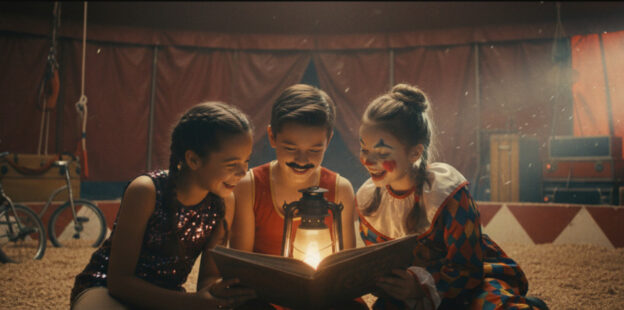
In stories like those from Three-Ring Rascals, these furry and feathered friends show kids what real friendship looks like: sticking together when the ringmaster’s plans go awry, sharing popcorn during late-night rehearsals, and using their special talents to save the day.

A brave lion might roar to scare away trouble, while a wise old flea offers tiny but mighty advice from atop a performer’s hat.

These animal pals teach young readers that friends come in all sizes—some with trunks, some with tails, some as small as a popcorn kernel—and that everyone has something special to contribute to the big show.

Even when mischief strikes and cannons misfire or tightropes wobble, circus animals remind us that laughing together and trying again makes everything better.

Their loyalty shines brightest under the big top lights, proving that true friends help each other shine, no matter how many somersaults or slip-ups happen along the way.

Kids love these tales because they get to imagine running away with the circus alongside animals who feel just like best buddies—full of fun, forgiveness, and endless excitement.

Whether it’s a dancing bear hugging a worried rascal or a clever parrot squawking the perfect plan, circus animals make stories come alive with warmth and wonder.

Reading about these whimsical friendships sparks imagination and shows children how to be good pals in their own backyard adventures.

The circus may be full of rascals getting into good-hearted trouble, but it’s the animal friends who keep the magic going, one paw, hoof, or wing at a time.

If you’re loving these tales of circus camaraderie and want even more ways stories highlight the power of working together, don’t miss our related article Friendship Lessons from Circus Stories: Books and Films That Teach Teamwork, packed with book and movie recommendations that celebrate teamwork under the big top and beyond.

Teaching with Three‑Ring Rascals: Classroom Activities & Discussion Guide

Teaching with Three‑Ring Rascals: Classroom Activities & Discussion Guide

Three‑Ring Rascals offers rich opportunities for classroom exploration. With its circus setting, playful tone, and themes of friendship, performance, and identity, this book can serve as a springboard for a variety of engaging activities. Here’s a structured guide for teachers who want to bring the novel into their curriculum.

Classroom Activities to Bring the Circus to Life

  1. Character Role‑Play & Imaginative Interviews
    Divide students into small groups and assign each group a set of characters from Three‑Ring Rascals. Ask students to imagine they are reporters interviewing their character: What inspired them to join the circus? What fears do they have? What dreams? After preparing, students perform short interview skits. This helps deepen understanding of character motivations, relationships, and internal conflicts.
  2. Writing Circus Applications
    In the spirit of the book, invite students to write their own “job application” to join Sir Sidney’s Circus. What special skill would they offer? How do they contribute to the show? This exercise fosters creative writing, empathy, and self-reflection, encouraging students to consider how every person (or rascal) has a unique role.
  3. Theme Web & Big Ideas Discussion
    Have students brainstorm the major themes — such as belonging, courage, and performance — and map them visually. Then facilitate a class discussion using prompts like:
    • How does the circus in the story reflect a community?
    • What does it mean to “perform” in daily life, not just under a big top?
    • In what ways do the characters grow by the end of the book?
      This activity promotes critical thinking and helps students articulate deeper lessons from the story.
  4. Literary Circles / Book Clubs
    Organize your class into literature circles. Assign roles such as Discussion Leader, Connector (makes real-world connections), Wordsmith (explores language), and Illustrator (draws scenes or themes). Rotate these roles across sessions so each student explores the text from a different angle.

Discussion Questions & Critical Thinking Prompts

  • Why is the circus such a powerful metaphor in Three‑Ring Rascals? What does it symbolize about community and performance?
  • Which character in the book struggles most with being “seen,” and how does that change throughout the story?
  • How do friendship dynamics in the novel mirror real-life relationships in school or social groups?
  • What does Three‑Ring Rascals suggest about bravery and taking risks — not just physically, but emotionally and socially?
  • If you were in the rascals’ place, what would scare you the most about joining the circus — and what would excite you?

Reflection & Extension Activities

  • Creative Writing Prompt: Ask students to write a short chapter from the perspective of a new circus recruit in the Three‑Ring Rascals world. What’s their first day like? What do they hope to achieve?
  • Community Building Exercise: Invite students to create a “mini circus” in the classroom: design a poster, pick roles, and come up with a short performance. Use this as a metaphor for how they contribute to their own school community.
  • Letter Writing: Have students write a letter to Sir Sidney (or any character) giving advice, asking questions, or reflecting on what they’ve learned from the rascals’ adventures.

Integrating Three‑Ring Rascals into the classroom can turn a simple reading assignment into a dynamic, student-driven learning experience. By combining role-play, discussion, creative writing, and community-building, teachers guide students to think deeply about identity, belonging, and performance. For further insight into what makes such children’s books impactful, it’s worth exploring the article What Kids’ Books Like Three‑Ring Rascals Can Learn from Animated Adventures, which delves into how literature and animation alike teach resilience, teamwork, and heart.

What Kids’ Books Like Three‑Ring Rascals Can Learn from Animated Adventures

What Kids’ Books Like Three‑Ring Rascals Can Learn from Animated Adventures

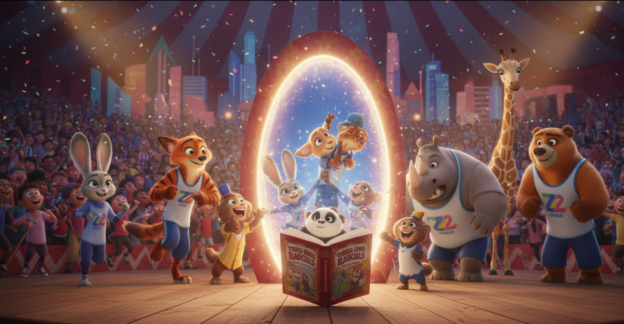
Children’s literature and animated films share a unique ability to spark imagination and teach valuable life lessons. The Three‑Ring Rascals series immerses young readers in the whimsical world of circus adventures, highlighting friendship, teamwork, and creativity. Similarly, family-friendly movies like Zootopia 2 capture audiences with engaging characters, vibrant storytelling, and lessons about courage and collaboration. By combining reading with cinematic experiences, children can strengthen their creativity, empathy, and understanding of narrative structure while enjoying stories that celebrate fun and mischief.

The Magic of Storytelling in Three‑Ring Rascals

The Three‑Ring Rascals books revolve around young circus performers navigating challenges, building friendships, and embracing their playful, mischievous sides. Each book encourages children to see the value of curiosity, problem-solving, and resilience in everyday situations. Beyond entertainment, the series offers subtle educational elements, teaching sequencing, comprehension, and the importance of working together. By engaging with the books’ circus setting, young readers practice imaginative thinking, empathy for characters, and recognition of positive social behavior, laying the groundwork for broader literacy and life skills.

Lessons from Animated Adventures Like Zootopia 2

Animated films such as Zootopia 2 complement literary experiences by presenting similar themes through motion, humor, and dynamic storytelling. Characters face obstacles, collaborate to overcome challenges, and celebrate diversity and friendship. By comparing narratives from Three‑Ring Rascals books with those in films, children can recognize recurring lessons about courage, perseverance, and teamwork. Parents and educators can use these parallels to spark discussions, encourage creative projects, or even organize interactive reading-and-watching sessions that deepen comprehension and reinforce moral and social lessons in an engaging, memorable way.

Why Three‑Ring Rascals Is a Must‑Read for Young Readers

Why Three‑Ring Rascals Is a Must‑Read for Young Readers

Children’s literature plays a crucial role in shaping young minds, and Three‑Ring Rascals stands out as an engaging, educational, and entertaining book for young readers. Combining humor, adventure, and relatable life lessons, this book captures the attention of children while helping them develop important reading skills. Its vibrant storytelling and dynamic characters make it an ideal choice for families, teachers, and young book enthusiasts who want a story that balances fun with meaningful messages.

Engaging Storytelling and Memorable Characters

One of the key strengths of Three‑Ring Rascals is its engaging storytelling. The narrative follows a group of mischievous, adventurous characters whose antics and problem-solving skills resonate with young readers. The book’s plot is fast-paced and filled with humorous situations, making it difficult for children to put down. Memorable characters not only entertain but also provide opportunities for readers to learn empathy, cooperation, and the consequences of actions. By creating a story that is both entertaining and relatable, Three‑Ring Rascals encourages children to read independently and enjoy the process of exploring literature.

Educational Value and Life Lessons

Beyond entertainment, Three‑Ring Rascals offers valuable life lessons in a format that is accessible to children. Themes such as teamwork, responsibility, creativity, and resilience are woven naturally into the storyline. Readers learn the importance of collaboration and critical thinking as the characters navigate challenges and solve problems. The book also encourages imagination and curiosity, inspiring children to think creatively and explore their own ideas. By combining fun narratives with meaningful lessons, Three‑Ring Rascals supports both cognitive and emotional development in young readers.

Encouraging a Love of Reading

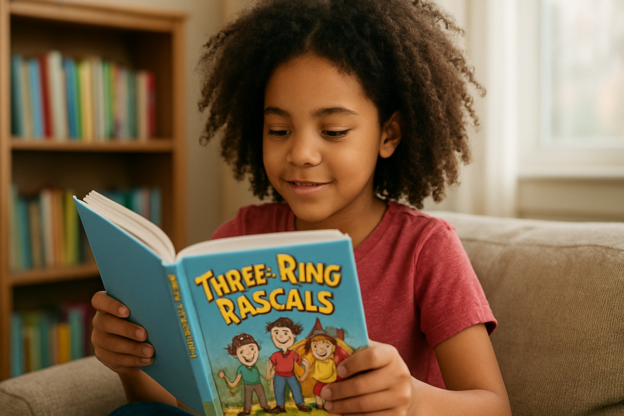
Perhaps the most significant reason why Three‑Ring Rascals is a must-read is its ability to foster a lifelong love of reading. Children who enjoy the book’s humor, action, and relatable characters are more likely to seek out additional reading opportunities, building literacy skills and confidence. The approachable writing style, engaging illustrations, and interactive elements make reading an enjoyable experience rather than a chore. By captivating young readers, the book not only entertains but also instills habits that contribute to academic success and personal growth.

A Valuable Addition to Any Child’s Library

Three‑Ring Rascals is more than just a fun story; it is an educational, engaging, and enriching book that supports young readers’ development. Its memorable characters, entertaining plot, and embedded life lessons make it a valuable addition to any child’s library. For parents, educators, and children themselves, this book offers both enjoyment and meaningful learning, proving that literature for young readers can be both delightful and impactful.

For parents, educators, and young readers looking to explore the broader lessons in children’s literature, our article “What Kids’ Books Like Three‑Ring Rascals Can Learn from Animated Adventures” highlights how engaging stories and dynamic characters can teach resilience, teamwork, and creativity. By comparing the book’s adventurous circus-themed narrative with family-friendly films, children can deepen their understanding of storytelling, develop empathy, and enjoy a richer reading experience that bridges literature and cinema.